





Your brakes are one of the most important safety systems on your vehicle, and understanding the different components that make up your brakes can help you catch problems before they become serious. No matter if you drive a Silverado, Equinox, or Trax in Northridge, Calif., the brake fundamentals are the same.
What Are Brake Pads and What Do They Do?
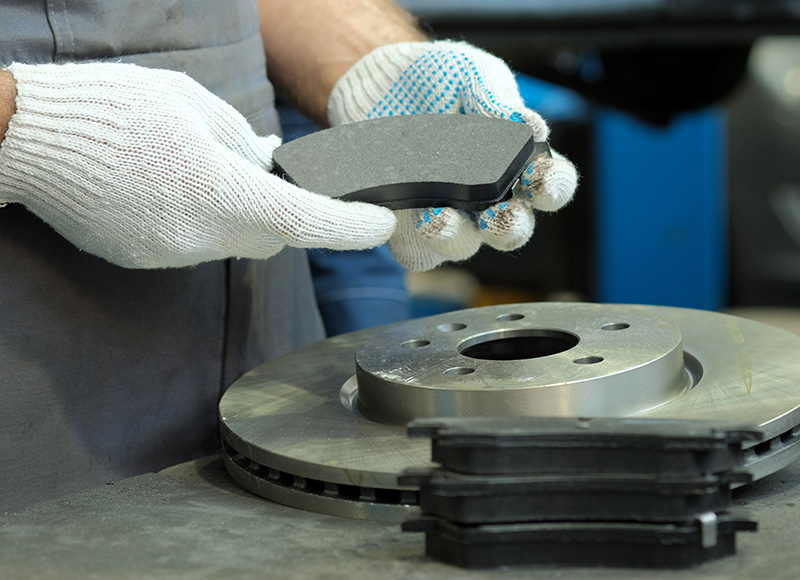
Brake pads are the friction material that presses against the rotor to slow your vehicle. They sit inside the caliper and are designed to wear down gradually over time. Most pads include a small metal wear indicator that produces a squealing sound when the pad material gets too thin, which serves as a built-in alert that service is needed.
What Is a Brake Rotor?
The rotor is the large, flat metal disc attached to your wheel hub. When you press the brake pedal, the caliper squeezes the pads against the rotor to create friction and slow the vehicle. Over time, rotors can become warped or worn unevenly, which often causes vibration or pulsing when braking.
What Does the Brake Caliper Do?
The caliper is the clamp-like component that holds the brake pads and applies pressure to the rotor. It operates using hydraulic pressure from the brake fluid. A sticking or seized caliper can cause uneven wear on your pads and rotors, reducing braking effectiveness.
How Does Brake Fluid Fit Into the System?
Brake fluid is the hydraulic fluid that transfers the force of your foot pressing the pedal into actual braking action. It travels through the lines and into the calipers to engage the pads. Over time, fluid can absorb moisture, which lowers its boiling point and reduces performance. Checking and flushing the fluid at recommended intervals is an important part of brake maintenance.
What Is the Master Cylinder?
The master cylinder is the component that converts mechanical pressure from the brake pedal into hydraulic pressure. It sits near the firewall in the engine bay and feeds fluid through the brake lines. If the master cylinder develops a leak or fails, you may notice a soft or spongy feeling when pressing the pedal.
What Are ABS Components and Why Are They Important?
The Anti-lock Braking System, or ABS, uses wheel speed sensors and a control module to prevent your wheels from locking up during hard braking. This helps you maintain steering control in emergency stops. If the ABS warning light comes on, you need to have the system inspected right away.
What Does It Mean If My Brakes Squeal or Grind?
Squealing typically points to worn brake pads, while grinding often means the pads have worn down completely, and metal is contacting the rotor. Both are signs that your brakes need to be inspected as soon as possible.
Why Does My Steering Wheel Shake When Braking?
Vibration or pulsing through the steering wheel while braking usually indicates warped rotors. This is a common issue that can develop over time from repeated hard stops or exposure to water when the rotors are hot.
Should I Worry About a Soft Brake Pedal?
Yes, a pedal that sinks further than usual or feels spongy is a serious concern. It often means low brake fluid, air in the brake lines, or a failing master cylinder. These are issues that require prompt inspection.
Visit Rydell Chevrolet for Brake Service in Northridge, CA
Understanding your brakes gives you the confidence to recognize when something is off. From the pads and rotors to the master cylinder and ABS sensors, every component plays a role in keeping you safe. If you notice any of the warning signs covered in this FAQ, the Certified Service team at Rydell Chevrolet in Northridge, CA, is ready to help. Stop by or schedule your appointment online today.

